STIR/SHAKEN statistics from November 2025
November 2025 STIR/SHAKEN and robocall statistics are now available. The data show the latest trends in robocalls, STIR/SHAKEN participation, and attestation level usage. Let’s have a look.
We’ve been publishing monthly STIR/SHAKEN statistics since April 2021. These numbers are gathered from well over a hundred voice service providers using our STIR/SHAKEN and robocall prevention solutions. The data describe calls they received from 1,463 other voice service providers that originated calls, including some robocalls, signed with STIR/SHAKEN.
Signed robocalls by attestation level
Robocalls up sharply among B attestation calls
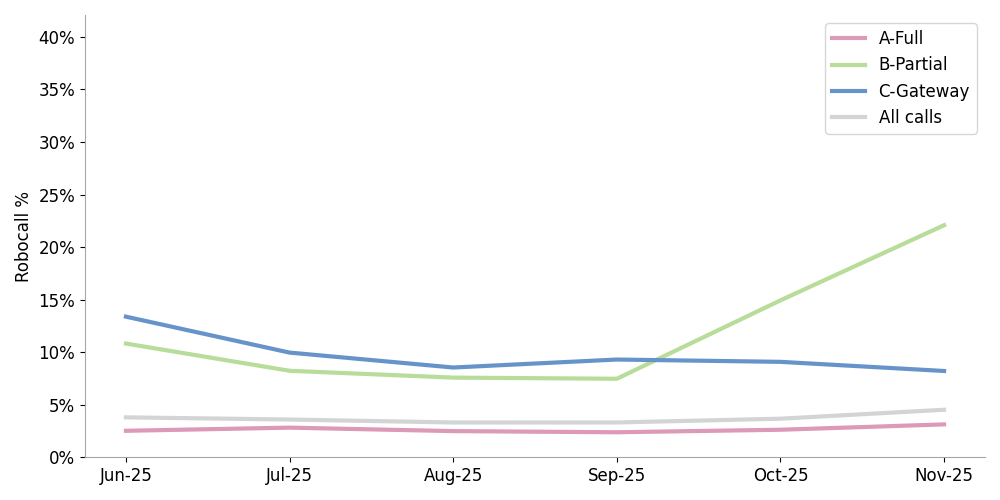
Figure 1. Signed Robocalls by Attestation Last 6 Months
Figure 1 shows signed robocalls by attestation level over the past six months. Overall, the statistics increased slightly from October. Robocalls among all calls were up 0.9%. Robocalls signed with A-level attestation were up 0.5%. Robocalls among calls signed with B attestation were up 7.2%, while robocalls among calls signed with C attestation were down 0.9%.
This is the second consecutive month in which robocalls increased among calls signed with a B-level attestation.
STIR/SHAKEN participation and coverage
We measure STIR/SHAKEN participation changes in two ways:
- The number of Originating Service Providers (OSPs) signing calls received by our customers,
- Service providers authorized to do SHAKEN by the STI Policy Administrator (STI-PA).
The number of SHAKEN signers down slightly
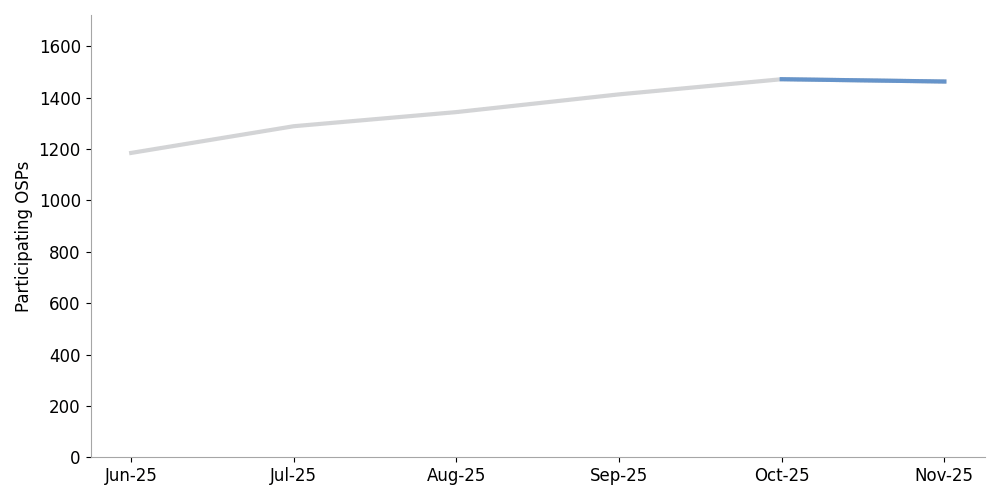
Figure 2. Monthly Number of OSPs Sending Signed Calls
Figure 2 shows that the number of Originating Service Providers (OSPs) observed signing calls in November was down 0.6% from the previous month.
The number of SHAKEN-authorized providers decreased slightly
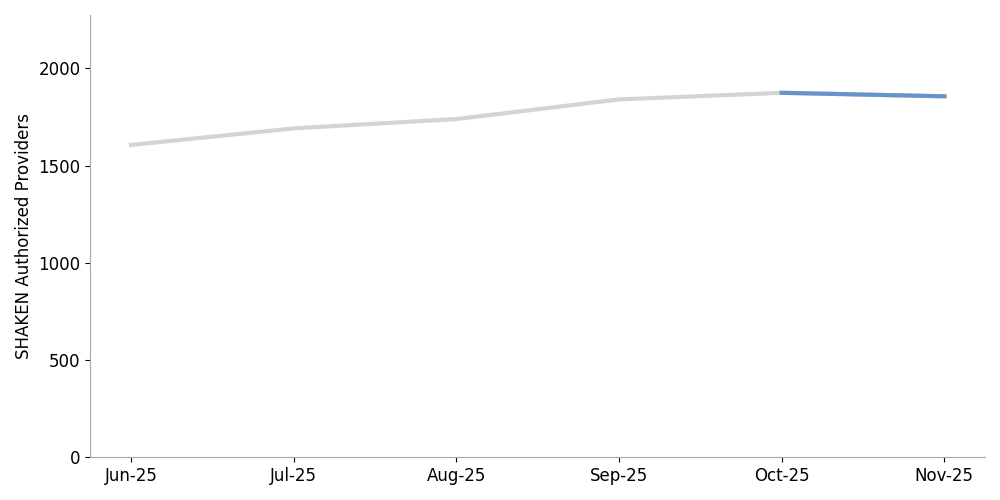
Figure 3. STIR/SHAKEN Authorized Providers by Month
Figure 3 shows that the number of SHAKEN-authorized providers in November was down 1.8% from the previous month.

STIR/SHAKEN coverage
Signed calls at termination up
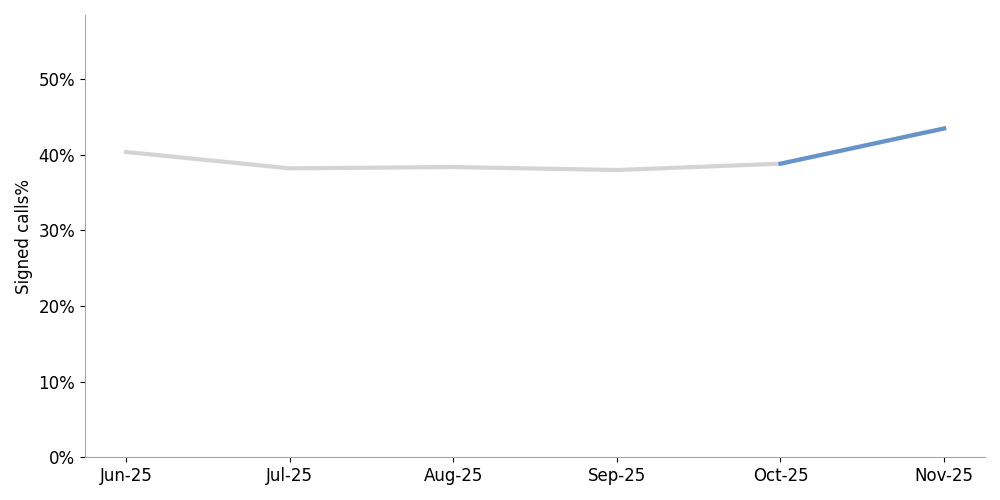
Figure 4. The Percentage of Signed Calls at Termination Last 6 Months
Figure 4 shows the percentage of signed calls at termination for the past six months. This was up 4.7% in November, to 43.5%.
We believe that this statistic reflects calls being routed over non-IP segments in the call path, where the SHAKEN call authentication information is lost. We suspect that perhaps some authentication providers are deliberately routing calls over non-IP call segments to launder their identity from the calls they authenticated.
Signed calls level across attestation levels
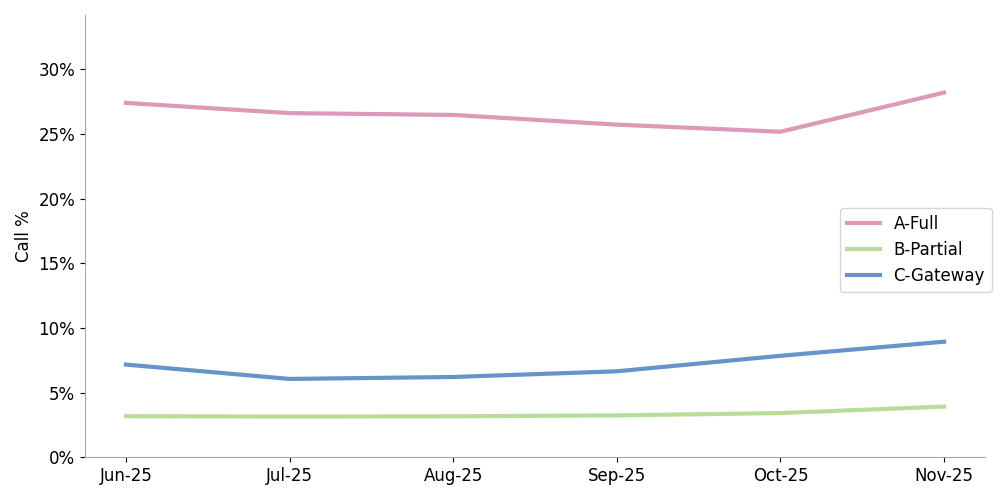
Figure 5. Percentage of Calls with SHAKEN Attestation Levels Last 6 Months
Figure 5 shows the percentage of calls signed by attestation level. Calls signed with full A-level attestation were 28.2% in November, up 3.0% from October. Calls signed with B-level attestation were 3.9%, up 0.5% from October. Calls signed with C-level attestation were 8.9%, up 1.0% from October.
Branded calling optimizes call completion and callback.
Learn more about branded callingPatterns among prolific robocall signers
Here are robocall and attestation statistics for the top 10 SHAKEN-authorized providers ranked by the percentages of signed calls identified as robocalls.
Robocalls from prolific robocall signers up
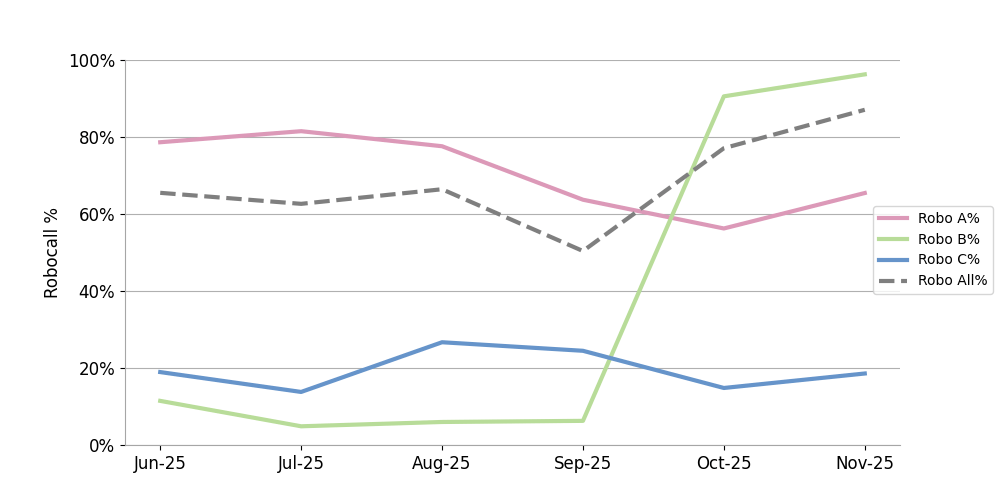
Figure 6. Robocall Percentage by Attestation—Prolific Robocall Signers by Robocall %
Figure 6 shows robocalls authenticated by the top 10 robocall signers ranked by robocall percentage over the past six months.
In November, the robocall percentage among prolific robocall signers was up 10.0% across all attestation levels. Robocalls with A-level attestation were up 9.2%. Robocalls with B-level attestation were up 5.7%. Robocalls with C-level attestation were up 3.8%.
It’s interesting to see the sharp uptick in robocalls with B attestation. We observed a similar result with overall robocalls as shown in Figure 1, above. For some reason, robocallers seem to be moving from A-level to B-level attestation. We’ll keep watching to see if this is a blip or a new trend.
Prolific robocall signers moving from A- to B-level attestation
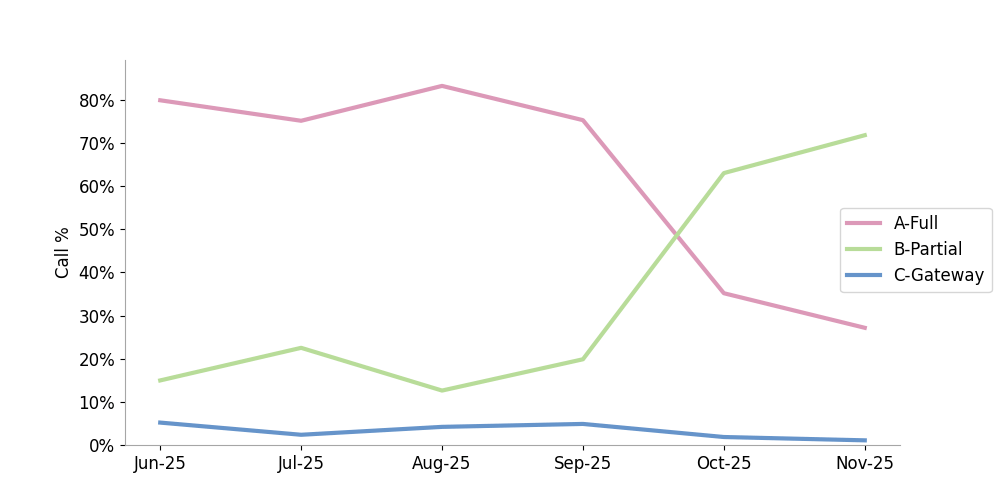
Figure 7. Call Percentage by Attestation—Prolific Robocall Signers
Figure 7 shows the percentages of calls signed by the top 10 robocall signers by authentication level. This illustration also reflects the new trend to authenticate calls with B-level attestation. In November, only 27.2% of the calls authenticated by prolific robocall signers had an A-level attestation, while 71.8% had a B-level attestation.
We encourage terminating service providers and call analytics providers to incorporate SHAKEN signer reputation into their call analytics. We provided examples in a blog post, How to monitor SHAKEN signer reputation.
Recap
- Robocalls were up slightly from October.
- There was a large jump in robocalls at the B attestation level among calls overall and also among prolific robocall signers.
- STIR/SHAKEN participation faltered slightly, with fewer SHAKEN signers and authorized providers.
- STIR/SHAKEN coverage increased 4.7%, reaching 43.5%—still too low for call authentication to be effective in call validation treatment, but a welcome improvement.
- Robocalls authenticated by prolific robocall signers increased by about 10%. They are signing fewer calls with A-level attestation and more calls with B-level attestation.
TransNexus solutions
TransNexus is a leader in developing innovative software to manage and protect telecommunications networks worldwide. The company has over 25 years of experience in providing telecom software solutions including toll fraud prevention, robocall mitigation and prevention, CDR and call analytics, advanced call routing, billing support, STIR/SHAKEN, and branded calling.
Contact us today to learn more.
Branded Calling ID enables service providers to deliver branded calling services.
Read the whitepaper